-
play_arrow
KSLM Live KSLM AM & FM
-
 play_arrow
03-05-2022 kslmadmin

Heat Shrink Tubing: What Is It and When To Use It
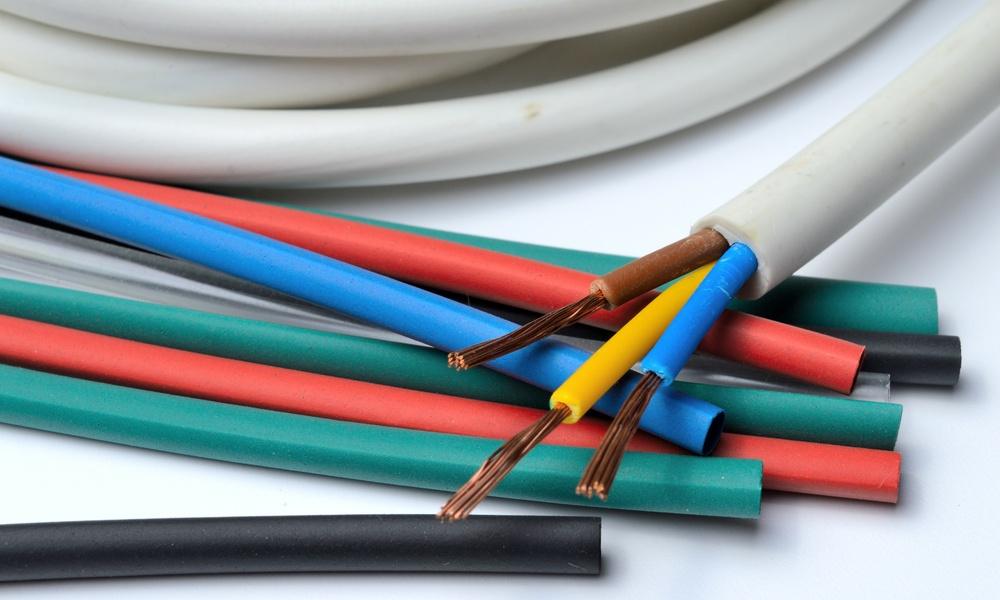
Heat shrink tubing is a vital component for automotive enthusiasts who demand durability and precision in their vehicle electrical systems. Whether you’re restoring a classic car or upgrading modern wiring, understanding heat shrink tubing can dramatically improve your results. But what is heat shrink tubing and when should you use it? Let’s explore the details.
What Is Heat Shrink Tubing?
Heat shrink tubing is a versatile tool used to insulate, protect, and seal electrical wiring. When exposed to heat, this tubing contracts and forms a snug fit around wires, cables, and connectors. Its primary purpose is to safeguard wires from abrasion, moisture, and potential short circuits, making it indispensable in automotive maintenance and repair.
After applying heat to the tubing with a specialized gun, it evenly conforms to the components enclosed and creates a tight seal, ensuring longevity in high-performance environments. Automotive enthusiasts rely on heat shrink tubing for its ability to protect vehicle wiring connections, making it the preferred type of sealing for extensive electrical work in cars, motorcycles, and even boats.
When and How To Use Heat Shrink Tubing
Heat shrink tubing is your go-to solution for many automotive wiring needs. It’s most commonly used to repair damaged insulation, bundle multiple wires together, or provide extra abrasion resistance to exposed sections of wiring. For instance, when upgrading aftermarket lighting or stereo systems, heat shrink tubing ensures a professional finish and protects your connections from wear and tear.
Installation: How To Use It
Installing heat shrink tubing is straightforward. First, measure and cut the tubing to a length that adequately covers the exposed wiring or connector. Slide the tubing over the wire before making electrical connections.
Once the connection is complete, use a heat gun to evenly apply heat until the tubing shrinks and adheres tightly. Avoid using open flames to prevent damage to the tube or wire. A well-executed application secures the connection and prolongs the life of your wiring.
Different Types of Heat Shrink Tubing
When it comes to variety, heat shrink tubing isn’t one-size-fits-all. Dual-wall tubing is a popular choice for automotive enthusiasts, as it features an adhesive lining that melts when heated, creating a watertight bond perfect for under-the-hood connections. This makes dual-wall tubing ideal for protecting vehicle wiring connections in areas prone to moisture exposure, such as near the engine bay.
In comparison, single-wall tubing does not have adhesive but is highly effective for organizing and bundling wires. For those working on projects involving extreme temperature variations, specialty options like elastomer-based or flame-retardant heat shrink tubing are particularly beneficial. Knowing the differences ensures that the tube you choose matches the specific requirements of your wiring system.
Heat shrink tubing is a necessity for anyone passionate about vehicle performance and reliability. By understanding its basic uses, material, and types, you empower yourself to elevate the quality of your automotive projects.