-
play_arrow
KSLM Live KSLM AM & FM
-
 play_arrow
03-05-2022 kslmadmin

Radon Risks in Schools: What Parents Should Know
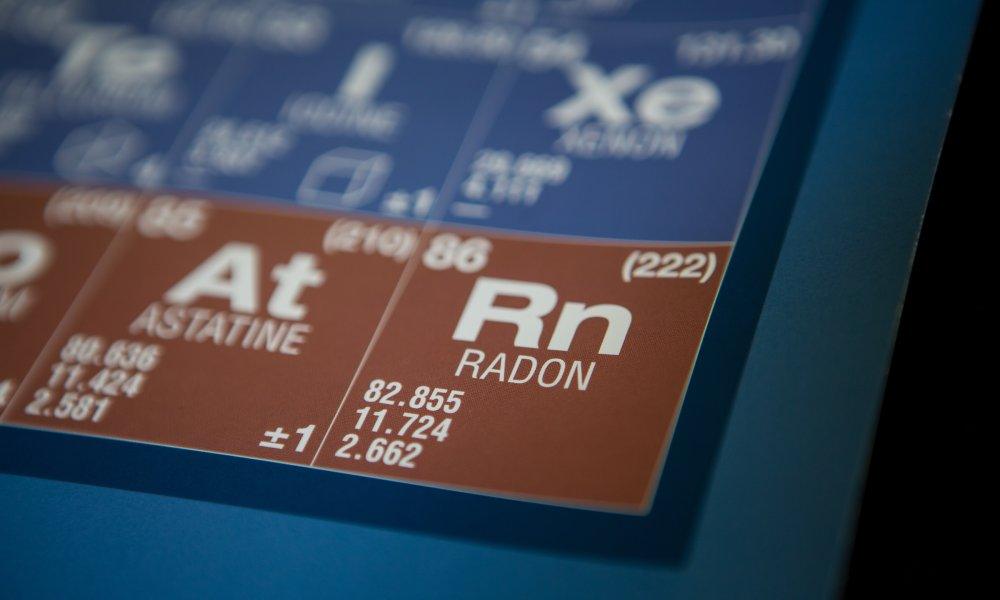
Most parents worry about visible dangers at school—playground injuries, bullying, or traffic safety. However, an invisible threat lurks in many educational buildings across America. Radon, a naturally occurring radioactive gas, affects thousands of schools nationwide, putting children at risk for serious health complications.
As a parent, it’s important to understand the radon risks in schools and how these risks could affect your child’s long-term well-being. Let’s explore!
What Is Radon?
Radon forms when uranium in soil, rock, and water breaks down naturally. This colorless, odorless gas seeps through cracks in foundations, gaps around pipes, and other openings in buildings. You cannot see, smell, or taste radon, making detection impossible without proper testing equipment.
The gas becomes dangerous when it accumulates indoors. Radon exposure occurs primarily through inhalation, as people breathe in radioactive particles that damage lung tissue over time. Schools face particular vulnerability because many older buildings have inadequate ventilation systems and structural issues that allow radon infiltration.
Health Risks for Children
Children face greater radon-related health risks than adults for several critical reasons. Their developing respiratory systems process air more rapidly, leading to increased exposure per body weight. Additionally, children spend significant portions of their day in school buildings—often in basement classrooms or ground-level areas where radon concentrations run highest.
Long-term radon exposure causes lung cancer, making it the second leading cause of this disease after smoking. The Environmental Protection Agency estimates that radon kills approximately 21,000 Americans annually. For children, early exposure creates decades of accumulated risk, as lung cancer typically develops 10 – 30 years after initial contact with radon.
Testing Protocols Schools Follow
The EPA recommends schools test all frequently occupied areas below the third floor. Testing typically involves placing detection devices in classrooms, libraries, and other spaces for 48 hours to several months, depending on the test method used.
Schools should maintain radon levels below four picocuries per liter (pCi/L), the EPA’s action level. However, many health experts advocate for even lower thresholds, as no completely safe radon level exists. The connection between radon and schools becomes critical when considering that some educational facilities register readings well above recommended limits.
Mitigation Strategies Schools Implement
When tests reveal elevated radon levels, schools can deploy several effective mitigation techniques:
- Sub-slab depressurization systems that draw radon from beneath building foundations.
- Improved ventilation systems that increase air circulation and reduce gas accumulation.
- Sealing cracks and openings in floors, walls, and foundations to prevent gas entry.
- Regular monitoring programs to ensure mitigation systems function properly.
These solutions typically reduce radon levels by 50 – 99 percent when properly installed and maintained by certified professionals.
Actions Parents Can Take
Parents should actively advocate for their children’s safety by requesting information about radon testing at their schools. Contact school administrators to ask about recent test results and mitigation measures. Many states require schools to test for radon, but enforcement varies significantly.
If your school hasn’t conducted recent testing, work with other parents and the Parent-Teacher Association to push for comprehensive radon assessments. You can also request that schools share testing protocols and results with families annually.
Radon represents a serious but manageable threat to children’s health in educational settings. Schools that prioritize testing and mitigation create safer learning environments, while informed parents can advocate effectively for necessary safety measures.