-
play_arrow
KSLM Live KSLM AM & FM
-
 play_arrow
03-05-2022 kslmadmin

Common Replacement Parts for Baseboard Heaters
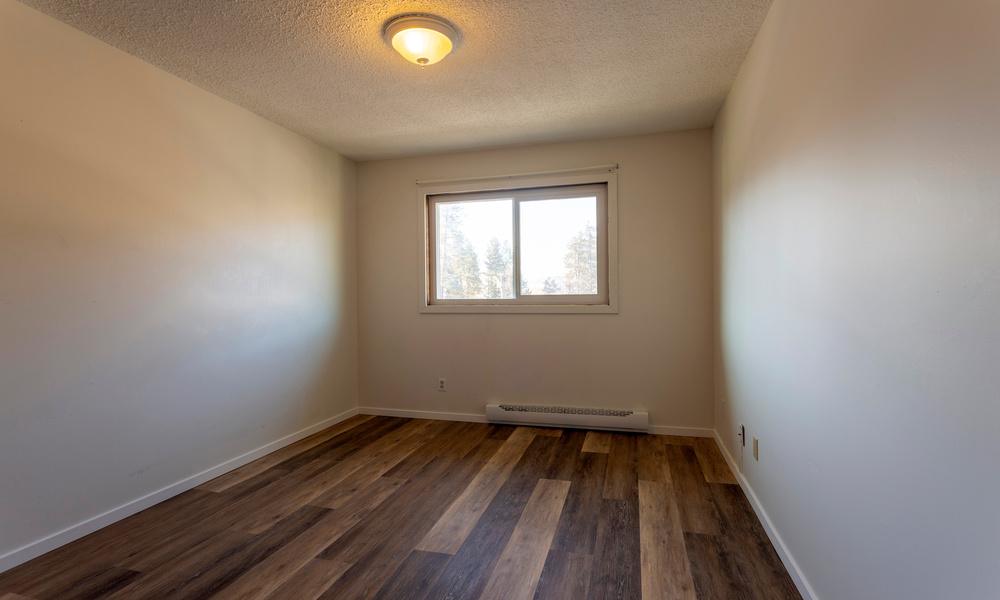
Baseboard heaters are a staple in many Salem homes, providing reliable warmth during our chilly Oregon winters. While these units are generally durable, components can wear out over time. Identifying and replacing these parts saves money on repair bills and keeps your home comfortable when the temperature drops. These are the most common replacement parts for baseboard heaters and what you can expect with your system.
The Heating Element
The heating element is the heart of your baseboard unit. It converts electrical energy into heat. If your heater turns on but produces no warmth, the heating element often carries the blame. Over time, these metal fins can crack or break due to the constant expansion and contraction from heating and cooling cycles.
Replacing a heating element requires shutting off the power at the circuit breaker. You must verify the specific voltage and wattage requirements of your heater before purchasing a replacement. Installing an incorrect element can cause safety hazards or damage the unit further.
The Limit Switch (Thermal Cutout)
Safety features play a crucial role in home heating. The limit switch, or thermal cutout, prevents the heater from overheating. If the airflow becomes blocked—perhaps by furniture or drapery—the internal temperature rises dangerously high. The limit switch detects this rise and cuts the power to prevent a fire.
Sometimes, these switches fail or trip prematurely. If your heater cycles on and off rapidly or shuts down before reaching the desired temperature, the limit switch might need replacement. This part is essential for safe operation, so you should address malfunctions immediately.
The Thermostat
While often mounted on the wall, some baseboard heaters feature built-in thermostats. This component controls the temperature by turning the heater on and off based on the room’s ambient heat. A faulty thermostat results in a heater that runs constantly or never turns on at all.
You can choose between single-pole and double-pole thermostats. Single-pole thermostats turn the heat down to a low setting but do not shut the power off completely. Double-pole thermostats have a true off position. Upgrading to a programmable thermostat can also improve energy efficiency in your home.
Knobs and Covers
Physical wear and tear affects the exterior of the unit as well. Control knobs often crack or strip, making it difficult to adjust the settings. These are inexpensive and easy to swap out.
Similarly, the metal covers protect the internal components and ensure proper airflow. Denting or rusting can occur, especially in high-traffic areas. While replacing internal parts fixes functional issues, installing high-quality baseboard covers extend the life of your heaters by protecting those sensitive fins and wires from dust, debris, and physical damage.
Wiring and Connections
Loose or burnt wiring connections can disrupt the flow of electricity. While not a part in the traditional sense, wire nuts and high-temperature wiring are common supplies needed for repairs. Inspecting these connections during other repairs ensures reliable operation.
Here are a few signs that your wiring might need attention:
- Scorch marks near the terminal connections.
- Flickering lights when the heater turns on.
- A burning smell that persists after the initial seasonal startup.
Residents in Marion and Polk counties know that a functioning baseboard heater is nonnegotiable during the rainy season. By maintaining these common parts, you make sure your home stays warm and safe year-round.