-
play_arrow
KSLM Live KSLM AM & FM
-
 play_arrow
03-05-2022 kslmadmin

How Predictive Maintenance Prevents Tower Failures
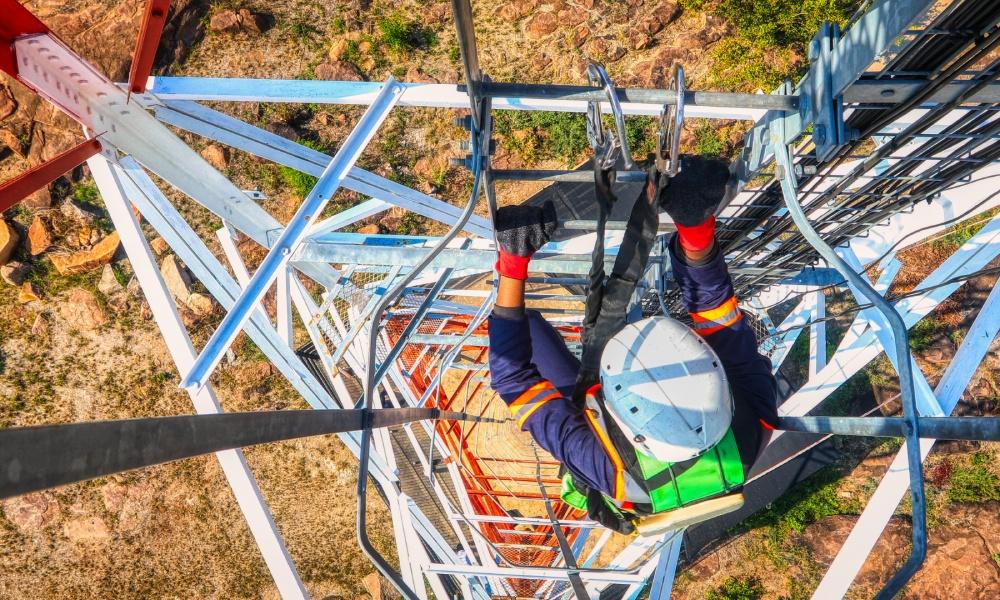
Maintaining structural integrity across a distributed network of towers requires constant vigilance. Traditional maintenance schedules rely on fixed intervals, potentially leaving assets vulnerable to unseen degradation between inspections. By leveraging real-time data and advanced analytics, managers can understand how predictive maintenance prevents tower failures before they escalate into critical emergencies.
Harnessing IoT Sensors
Remote monitoring technologies have revolutionized infrastructure management. Internet of Things (IoT) sensors attached to key structural points continuously measure variables such as tilt, vibration, and strain. These devices transmit data streams to central systems, so engineering teams can observe the tower’s physical state without deploying a crew for a site visit.
Analyzing Environmental Impact
Weather patterns contribute a great deal to structural wear. Predictive models incorporate local meteorological data and correlate wind speeds, ice accumulation, and temperature fluctuations with sensor readings. Algorithms can then predict how specific environmental stressors impact the tower’s stability over time, flagging moments when weather conditions exceed safe design parameters.
Spotting Material Degradation
Steel components inevitably degrade, but the rate of decay varies based on multiple factors. Predictive systems track the cumulative stress placed on specific joints and members. Recognizing the subtle signs of fatigue in steel tower members enables maintenance teams to intervene precisely when a component approaches its failure point, rather than waiting for a visible break.
Optimizing Inspection Schedules
Data-driven insights allow for smarter resource allocation. Instead of visiting every site on a calendar rotation, crews prioritize towers showing statistical anomalies or heightened risk factors. Field workers can arrive on-site equipped with the specific parts needed for repair, which reduces the need for return trips and increases overall efficiency.
Extending Infrastructure Lifespan
Long-term asset management benefits from a proactive stance. Addressing minor issues immediately prevents them from compromising the entire structure. Small interventions, guided by accurate data, preserve the tower’s core integrity for years longer than a reactive approach would allow.
Transitioning to a predictive model requires investment in technology and training, but the return on investment appears in improved safety and reliability. Operations become smoother when unexpected outages decrease. Knowing how predictive maintenance prevents tower failures empowers teams to protect their assets and maintain continuous service.