-
play_arrow
KSLM Live KSLM AM & FM
-
 play_arrow
03-05-2022 kslmadmin

Reducing Equipment Wear Between Fire Emergency Calls
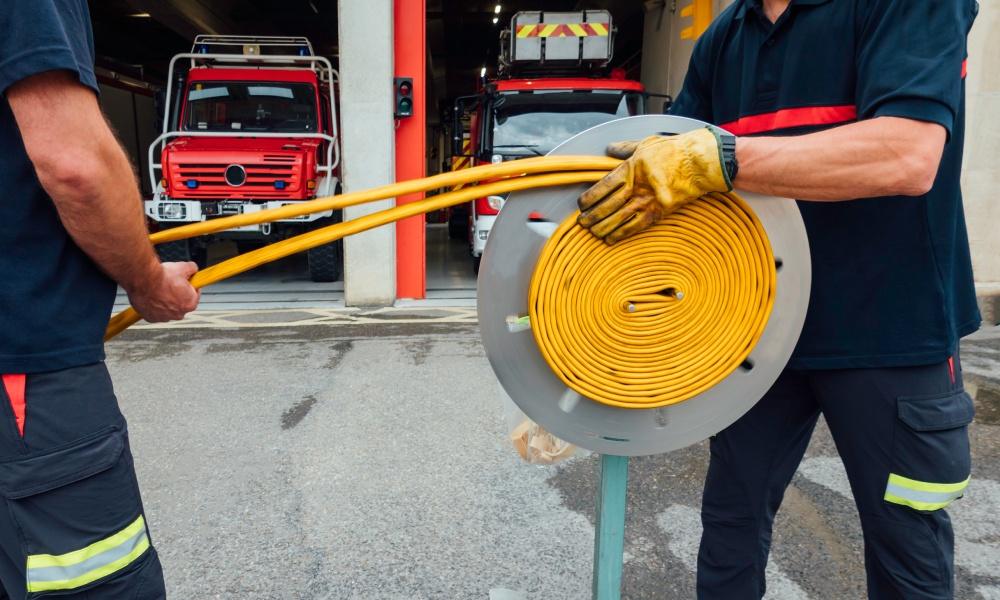
Firefighting equipment is engineered for high-stress use, yet the period between emergency calls offers vital opportunities to limit wear and extend service life. If you want to ensure your firefighting apparatus and PPE remain ready when duty calls, it’s up to you to take the steps needed to keep them that way. Knowing these practices for reducing equipment wear between fire emergency calls will not only support performance but also align with industry standards for safety and operational readiness.
Conduct Post‑Call Equipment Inspections
After every response, you should perform systematic checks on all critical gear. Visual inspection helps identify visible damage such as tears in turnout gear, compromised hose couplings, worn nozzles, or malfunctioning tools before the next call. Routine inspections are foundational to equipment longevity; national standards emphasize regular, documented checks for PPE and fire apparatus components to ensure they meet operational criteria and remain in serviceable condition.
Clean, Maintain, and Service Regularly
Cleaning and scheduled servicing reduce the cumulative effect of contaminants, abrasion, and mechanical stress. Fireground residues and smoke byproducts can degrade protective fabrics and hardware if left unattended. Regular cleaning removes hazardous substances and stabilizes material performance.
Scheduled maintenance—such as lubricating moving parts, testing batteries or SCBA components, and replacing worn seals—keeps systems functioning within design tolerances. Programs that combine post-call cleaning with routine preventative maintenance create a consistent framework that mitigates accelerated wear.
Store Equipment Properly
Storage conditions between calls significantly affect gear condition. You should keep equipment in clean, ventilated areas free from excessive heat, UV exposure, and moisture—conditions that accelerate material breakdown. Designated gear lockers and climate-controlled spaces prevent unnecessary stress on protective ensembles and apparatus accessories, allowing components to dry thoroughly and remain organized.
Evaluating existing storage capabilities will be crucial to this process. Start by reorganizing spaces to fit everything you need in their proper compartments. You should make upgrades as needed, such as installing dedicated racks or climate control, as this will help protect gear investment and reduce wear. Don’t forget that hose bed covers are important for fire trucks, so don’t overlook them when deciding what to upgrade.
Reinforce Handling & Usage Training
Even durable gear can experience premature wear through improper handling. That’s why employing standardized training between fire emergencies on how to use gear is crucial for minimizing equipment wear. Take the time to educate crews on proper procedures for stowing hoses, handling SCBA, and organizing tools, as these factors influence how long gear performs reliably. Embedding these practices into routine operations helps maintain consistent care standards across personnel.