-
play_arrow
KSLM Live KSLM AM & FM
-
 play_arrow
03-05-2022 kslmadmin

Common Beginner Beekeeping Mistakes to Avoid
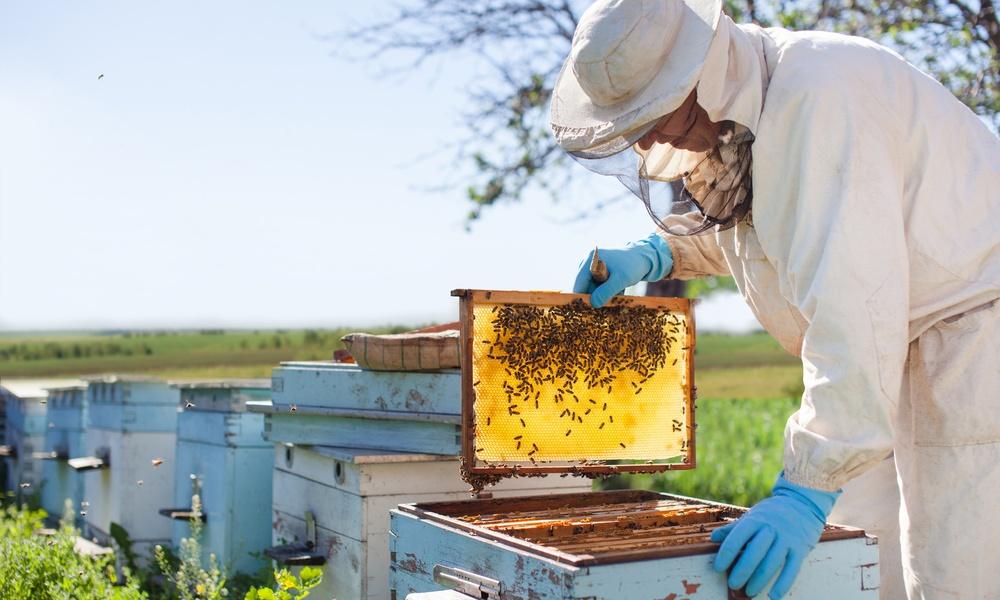
Starting bees is exciting, but it also comes with a learning curve that can feel steep during the first season. Many issues that look “mysterious” are actually the result of small, common missteps that new beekeepers make without realizing it.
These common beginner beekeeping mistakes to avoid usually come down to timing, consistency, and maintaining a stable hive environment. When you focus on a few fundamentals early, your colonies tend to stay calmer, healthier, and easier to manage.
Inspecting Too Often or Not Often Enough
New beekeepers often swing between constant checks and long gaps. Opening the hive too frequently can disrupt temperature control, stress the colony, and make the bees more defensive. Meanwhile, waiting too long can allow small problems to grow before you notice them.
A steady schedule works best, with inspections that are purposeful rather than curiosity-driven. Each visit should answer a few clear questions, such as whether the queen is laying or whether the brood looks healthy.
Underestimating Space and Timing
Crowding is a quiet trigger for swarming and stress. Beginners often wait too long to add space, then wonder why the colony becomes restless or starts building swarm cells. Adding boxes too early can also slow growth if the bees can’t defend or heat the expanded space.
Watch the colony’s population and how quickly they’re drawing comb. If frames are packed with bees and resources, it’s time to think ahead.
Feeding in Ways That Invite Trouble
Feeding can help colonies build up, but it can also create problems if it attracts pests or triggers robbing. Open feeding near the hive, spilling syrup, or leaving sticky equipment out can quickly attract unwanted visitors.
Keep your bee hives ant-free! Ants are drawn to sugar and can become persistent once they find an easy source. Clean feeding practices, well-fitted hive components, and keeping the area around the hive tidy can reduce pest pressure without turning every inspection into a battle.
Treating Varroa as a “Later” Problem
Varroa mites are one of the most common reasons new colonies struggle, and the toughest part is that the damage is not always obvious at first. Many beginners wait until bees look unhealthy, but by then the mite load may already be high. Regular monitoring with a reliable method yields real data rather than assumptions. If treatment is needed, timing matters, and following label directions matters even more. Managing mites is not optional; it is part of basic colony health.
A Stronger Hive Starts With the Basics
Beekeeping gets smoother when the basics become routine, and decisions are made from observation rather than panic. These common beginner beekeeping mistakes to avoid are less intimidating once you recognize them as normal learning points rather than failures. With consistent inspections, strong pest awareness, and effective mite management, your season becomes far more manageable and rewarding. Don’t be afraid of mistakes! They are simply a learning curve for a better next season.


Post comments (0)