-
play_arrow
KSLM Live KSLM AM & FM
-
 play_arrow
03-05-2022 kslmadmin

Innovations in Steam Boiler Technology for 2025
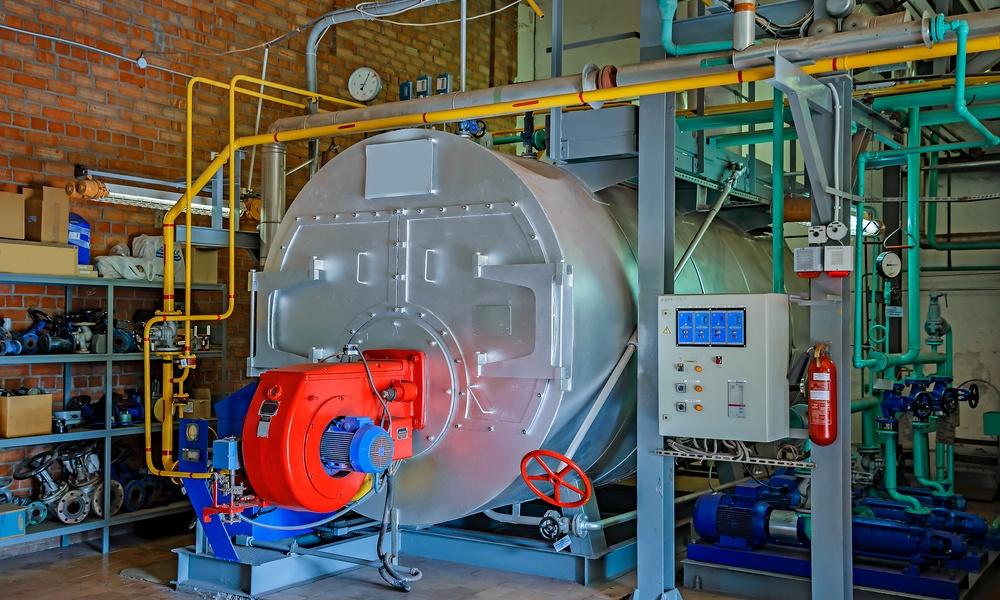
Steam boilers power countless industries worldwide, from manufacturing plants to energy facilities. But 2025 brings exciting technological breakthroughs that promise to revolutionize how these essential systems operate. New innovations focus on efficiency, environmental impact, and smart automation—changes that will reshape industrial operations for years to come.
These advances address longstanding challenges: reducing fuel consumption, minimizing emissions, and improving operational control. Companies investing in these technologies now position themselves ahead of competitors while meeting stricter environmental regulations. Let’s explore innovations in steam boiler technology for 2025 and how they will shape the future.
Smart Controls Transform Operations
Artificial intelligence now drives steam boiler management systems. Advanced sensors monitor temperature, pressure, and fuel consumption in real-time, making micro-adjustments that optimize performance without human intervention.
Machine learning algorithms analyze historical data to predict maintenance needs before equipment fails. This predictive approach reduces downtime by up to 30 percent and extends boiler lifespan significantly. Operators receive alerts on their smartphones when systems require attention, enabling rapid response regardless of location.
Hydrogen Integration Reduces Carbon Footprint
Hydrogen-compatible boilers represent a significant leap forward in clean energy technology. These systems burn hydrogen fuel with zero carbon emissions, producing only water vapor as a byproduct.
Major manufacturers now offer retrofit kits that convert existing natural gas boilers to run on hydrogen blends. This flexibility allows companies to transition gradually as hydrogen infrastructure develops. Full hydrogen conversion becomes possible without replacing entire boiler systems.
Early adopters report impressive results:
- 80 percent reduction in carbon emissions when using 100 percent hydrogen fuel
- Comparable efficiency rates to traditional natural gas systems
- Minimal operational changes required for staff
- Government incentives offset conversion costs in many regions
Heat Recovery Systems Maximize Efficiency
Waste heat recovery technology captures energy that previously escaped through exhaust stacks. Advanced heat exchangers now recover up to 90 percent of waste heat, redirecting it back into the steam generation process.
These systems integrate seamlessly with existing boiler installations. Captured heat preheats incoming water, reducing fuel requirements and lowering operating costs. Applications for industrial steam boilers include chemical processing, food production, and textile manufacturing—all industries seeing substantial energy savings.
Modular Designs Enhance Flexibility
Modular boiler systems adapt to changing demand patterns more effectively than traditional single-unit installations. Multiple smaller boilers operate in sequence, with individual units cycling on and off based on steam requirements.
This approach offers several advantages. Peak demand periods activate all modules, while low-demand times require only one or two units to run. Maintenance becomes less disruptive since other modules continue operating while one undergoes service.
Environmental Monitoring Meets Regulations
New emission monitoring systems provide continuous tracking of nitrogen oxides, sulfur dioxide, and particulate matter. Real-time data helps operators maintain compliance with environmental regulations while optimizing combustion efficiency.
Automated reporting systems submit required documentation to regulatory agencies, reducing administrative burden and ensuring consistent compliance. These systems also identify opportunities for further emission reductions through operational adjustments.
Steam boiler innovations in 2025 deliver tangible benefits: lower operating costs, reduced environmental impact, and improved reliability. Companies that embrace these technologies gain competitive advantages while contributing to sustainability goals.