-
play_arrow
KSLM Live KSLM AM & FM
-
 play_arrow
03-05-2022 kslmadmin

Is It Okay To Drive With a Cracked Windshield?
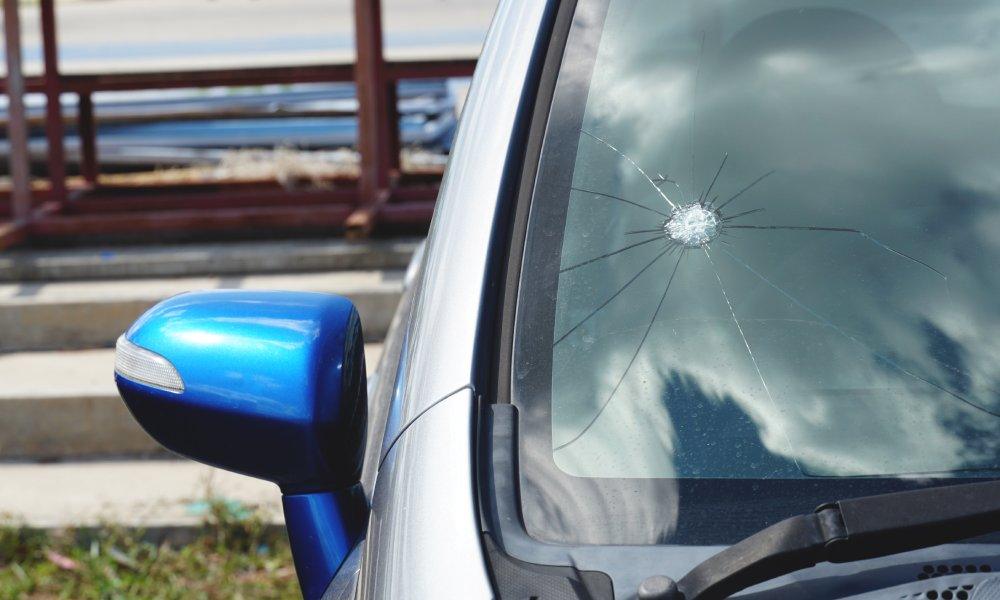
You glance at your windshield and notice a small crack spreading across the glass. Your first thought might be whether you can postpone the repair and continue driving safely. The answer depends on several factors, including the crack’s size, location, and your local laws.
There are risks and regulations surrounding cracked windshields, each one helps you make an informed decision about your vehicle’s safety and your legal compliance. Is it okay to drive with a cracked windshield? Let’s find out.
Legal Requirements Vary by State
Most states allow minor windshield damage, but regulations differ significantly across jurisdictions. Generally, small chips or cracks outside the driver’s direct line of vision receive more tolerance than large cracks that obstruct your view.
Many states prohibit driving when cracks exceed certain dimensions or appear in specific locations. For example, some jurisdictions ban cracks longer than six inches or any damage directly in front of the driver’s seat. Law enforcement officers can issue citations for windshields that compromise visibility or safety.
Safety Risks You Can’t Ignore
Cracked windshields create multiple safety hazards that worsen over time. The structural integrity of your vehicle depends partly on the windshield, which provides crucial support during accidents and rollovers.
Temperature changes cause existing cracks to expand rapidly. A small chip can become a large crack within hours, especially during extreme weather conditions. This expansion can happen while you’re driving, creating sudden visibility obstruction.
Additionally, cracked glass weakens your airbag deployment system. During frontal collisions, airbags rely on the windshield to provide proper inflation angles. A compromised windshield may cause airbags to deploy incorrectly, reducing their protective effectiveness.
Smart Actions and Critical Mistakes
When you discover windshield damage, certain actions prevent the situation from worsening. Several dos and don’ts when you have a cracked windshield can save you money and maintain safety:
What you should do:
- Cover small chips with clear tape to prevent dirt infiltration.
- Park in shaded areas to minimize temperature fluctuations.
- Drive gently to reduce vibrations that expand cracks.
- Schedule professional assessment promptly.
Avoid common mistakes that accelerate damage. Never ignore the problem in hopes it will remain stable. Temperature extremes, road vibrations, and normal driving stress guarantee crack expansion. Using harsh chemicals or pressure washers near damaged areas can also worsen the situation.
Repair vs. Replacement Considerations
Small chips and cracks often qualify for repair, which costs significantly less than full replacement. Professional repair typically works for damage smaller than a quarter, depending on location and depth.
Replacement becomes necessary when cracks exceed repair limits or appear in critical visibility zones. While more expensive, replacement ensures complete structural integrity and optimal safety performance.
Insurance coverage frequently includes windshield repair with minimal or no deductible. Many policies recognize that prompt repair prevents costlier replacements later. Contact your insurance provider to understand your coverage options before scheduling service.
Assess your windshield damage honestly and prioritize professional evaluation. Quick action often means the difference between affordable repair and costly replacement. Your safety and legal compliance depend on addressing windshield damage promptly rather than hoping the problem stays manageable.
So is it okay to drive with a cracked windshield? The answer is no; you should always take care of it. But the specifics will determine when and how.