-
play_arrow
KSLM Live KSLM AM & FM
-
 play_arrow
03-05-2022 kslmadmin

Mistakes That New Triathlon Athletes Must Avoid
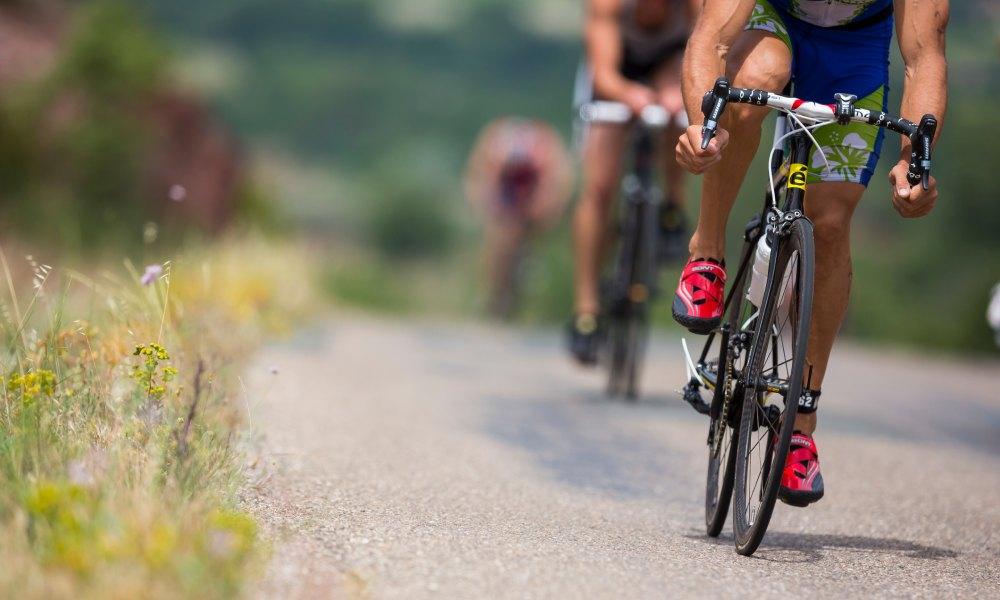
Triathlons are the ultimate endurance test for athletes. If you’re thinking of taking up the challenge of endurance swimming, biking, and running, there’s a lot you need to know about how to train and compete. Here, we’ll outline the common mistakes that new triathlon athletes make that you must avoid.
Overtraining Burns Out Beginners Fast
Many beginner triathletes think more training equals better performance, causing many to overpack their schedules with swimming, biking, and running while neglecting recovery. However, overtraining can occur when the body can’t recover from intense exercise, resulting in decreased performance, higher injury risk, and susceptibility to illness.
Rest days are just as crucial as training since recovery helps muscles repair and grow stronger. Smart training follows the 80/20 rule: 80% of training at low intensity and 20% at moderate to high intensity. Schedule at least one full rest day each week and pay attention to your body.
Ignoring Nutrition Sabotages Performance
Another mistake that many new triathlon athletes make but must avoid is focusing too much on training and neglecting to fuel their bodies correctly with proper nutrition. Poor eating habits can cause energy crashes, slower recovery, and disappointing race results. To perform your best, your body needs the right balance of carbohydrates for energy, protein for muscle repair, healthy fats for sustained fuel, and proper hydration to prevent performance dips caused by dehydration.
A solid nutrition plan should include pre-workout fuel, hydration, and energy replacement during longer sessions, and post-workout recovery meals. Practice your race day nutrition strategy during training to confirm your body adjusts and to avoid gastrointestinal issues when it matters most.
Improper Gear and Equipment Creates Problems
New triathletes sometimes overspend on gear without understanding their needs or, conversely, compete with inadequate equipment that hinders performance and safety. You don’t need the most expensive gear to complete your first triathlon, but certain items require attention. A fitted bike prevents discomfort and injury, quality goggles improve swimming safety and comfort, and tailored running shoes reduce injury risk.
Consider shopping at an equipment and apparel store specifically for triathletes to find all the gear you need in one place and to consult with experienced triathletes as well. To save money, consider borrowing or renting expensive items like wetsuits or time trial bikes for your first races.
Not Practicing Transitions Costs Valuable Time
Triathletes consider transitions the fourth discipline of triathlons, yet many newcomers overlook their importance. Poor transition preparation adds time to your race and increases stress during an already demanding event. Efficient transitions require organization and a clear plan for moving from swim to bike (T1) and bike to run (T2).
To improve, set up practice transitions during training. Time yourself as you switch from swim gear to bike gear and bike gear to running gear. Lay out your equipment in race order, and train until the process feels automatic.
Set Yourself Up for Triathlon Success
Many new triathletes fall into common traps, but with awareness and preparation, you can avoid these during your endurance training journey. Focus on consistent training, listen to your body, and take your time. Every triathlete began where you are now, so embrace the challenge, learn from each experience, and most importantly, enjoy the journey.