-
play_arrow
KSLM Live KSLM AM & FM
-
 play_arrow
03-05-2022 kslmadmin

Reasons Your Backyard Garden Is Doing Poorly
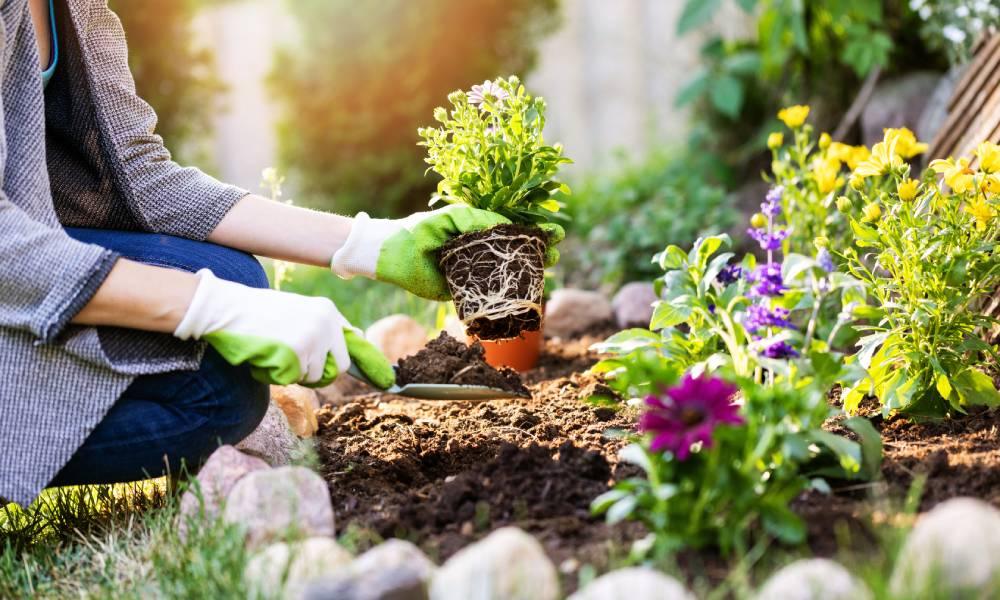
A thriving backyard garden provides fresh produce, enhances your property, and offers a rewarding outdoor hobby. However, when plants fail to flourish, your flower beds look sparse and shrubs wilt, leaving you frustrated. Outdoor plants can struggle to grow for numerous reasons, ranging from poor soil to inadequate light. Identify the common reasons your backyard garden may be underperforming, so you can make the necessary adjustments.
Poor Watering Habits
Inadequate watering practices damage gardens through both overwatering and underwatering. Excessive moisture creates waterlogged conditions that lead to root rot, fungal diseases, and oxygen deprivation in plant roots. Alternatively, if soil becomes too dry, plants can wilt due to nutrient deficiencies and stress.
Knowing how much water your plants require depends on their species, size, and growth stage. While hydrangea require deep watering 2-3 times a week, succulents only need watering once a week. Always research the plants you want before buying them so you can provide them with the right amount of water.
Soil Health
Plants require nutrient-rich soil with proper pH balance, adequate drainage, and sufficient organic matter to develop strong root systems. Compacted soil prevents root expansion and water infiltration, while nutrient-depleted soil leads to stunted growth and yellowing leaves.
Soil health is especially relevant for fruit bearing trees that depend on nutrient-rich soil to produce high-quality fruit. Understanding how soil health affects tree growth can help you identify and remedy specific issues that might be stunting tree growth, such as a poor pH balance and nutrient deficiencies.
Testing your soil reveals critical information about pH levels, nutrient content, and soil composition. You can purchase DIY soil test kits from garden centers or send samples to agricultural extension offices for comprehensive analysis. Some plants, such as blueberries, prefer a pH of 4.0 to 6.0, while trees, like bigleaf maple, prefer 5.5 to 7.3 pH.
Garden Invaders
Sometimes, gardens fail to thrive because pests invade the plants. These pests often chew away at the leaves, leaving holes or discolored spots on your plants.
To prevent garden invaders, use natural methods such as planting pest-repelling herbs such as basil and marigolds or removing pests by hand. You can also try using organic pesticides made from natural ingredients such as neem oil or food-grade diatomaceous earth.
Insufficient or Excessive Sunlight
While all plants rely on sunlight to live, getting the wrong amount can be a reason your backyard garden is doing poorly. If a plant gets too much sun, the leaves may scorch, turn brown, or become crispy, especially if it’s not a sun-loving variety. Alternatively, if a plant gets too little sun, it may have weak, leggy growth as the plant stretches toward light. It can also slow down flowering or cause leaves to yellow and drop.
To ensure proper light exposure, choose the right spot for each plant. Plants labeled as “full sun” need 6+ hours of sunlight daily, while “partial shade” ones prefer morning light with afternoon protection. By understanding your plants and what they need, you can create a thriving garden that rewards your care with lush growth and vibrant blooms.
Understanding the common reasons your plants might be struggling puts you on the path to a healthier, more productive garden. Don’t be discouraged by a few setbacks; instead, view them as learning opportunities. With a bit of observation and adjustment, you can turn your gardening woes into a bountiful harvest.